

Butternut squash soup is a warm hug in a bowl. It’s both rich and nourishing, perfect for any season. In this post, I’ll share an easy recipe that you can customize to suit your tastes. From choosing the right spices to blending techniques, I guarantee you’ll love how simple and delicious this soup can be. Let’s dive into the ingredients and start cooking!
Why I Love This Recipe
- Comforting and Creamy: This soup has a velvety texture that warms you up from the inside out, making it perfect for chilly days.
- Nutritious Ingredients: Packed with vitamins from butternut squash and other veggies, this soup is a healthy choice without sacrificing flavor.
- Easy to Prepare: With simple ingredients and straightforward steps, this recipe is perfect for both novice and experienced cooks alike.
- Versatile and Customizable: You can easily adjust the spices or add extra toppings to suit your taste, making each bowl unique.
Ingredients
List of Ingredients
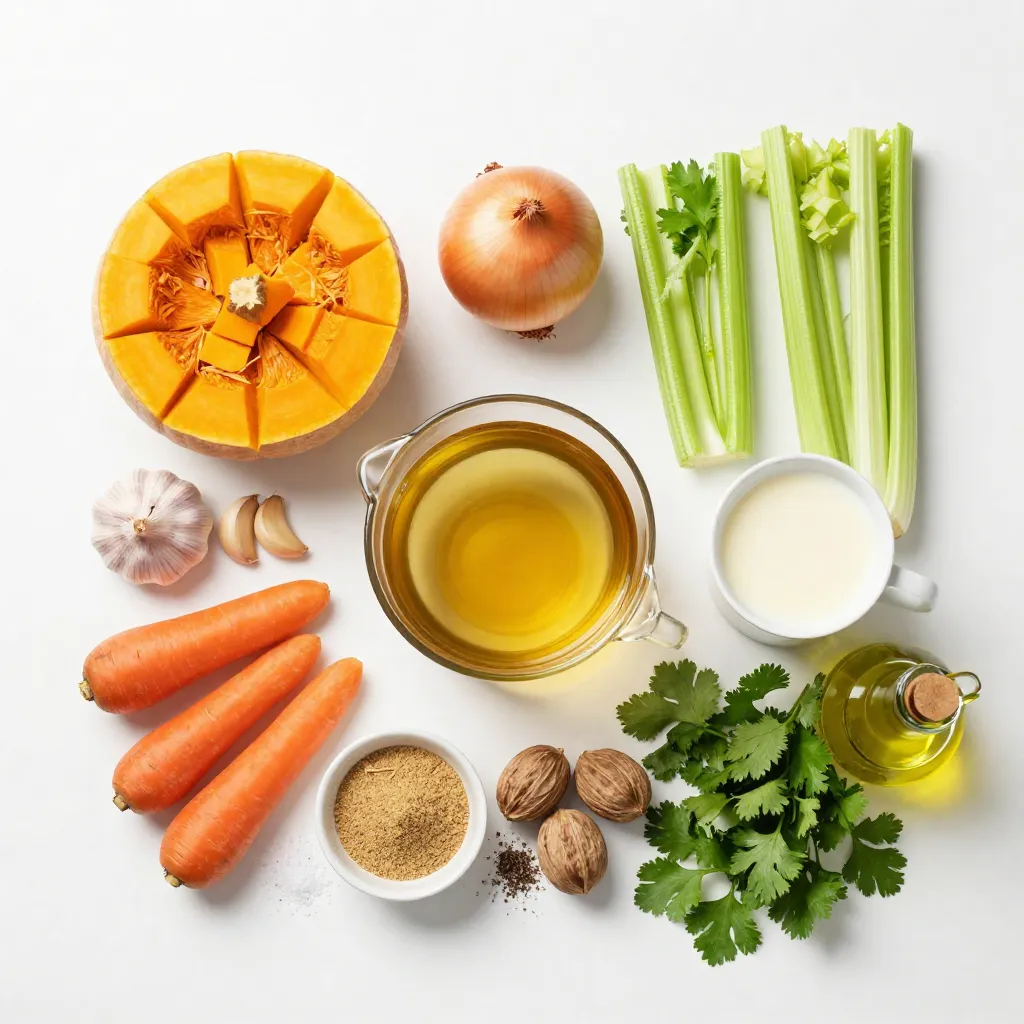
To make this rich butternut squash soup, gather the following ingredients:
– 1 medium butternut squash, peeled and cubed
– 1 large onion, finely chopped
– 2 cloves garlic, minced
– 2 carrots, peeled and diced
– 2 stalks celery, trimmed and diced
– 4 cups vegetable broth (preferably low-sodium)
– 1 cup full-fat coconut milk
– 1 teaspoon ground ginger
– 1 teaspoon ground cumin
– ½ teaspoon ground nutmeg
– Salt and freshly cracked black pepper, to taste
– 2 tablespoons extra-virgin olive oil
– Fresh cilantro or parsley, finely chopped, for garnish
Substitutions
You can change some ingredients if needed. Here are some ideas:
– Use chicken broth instead of vegetable broth for a richer flavor.
– Swap coconut milk with heavy cream for a different taste and texture.
– Try sweet potatoes or carrots if you don’t have butternut squash.
– Use shallots instead of onions for a milder flavor.
Dietary Considerations
This soup can fit many diets:
– Vegan: Use vegetable broth and coconut milk.
– Gluten-Free: All ingredients are gluten-free.
– Nut-Free: This recipe is nut-free, making it safe for those with allergies.
– Low-Calorie: Use light coconut milk or reduce the amount of oil for fewer calories.
Step-by-Step Instructions
Preparation Steps
First, gather all your ingredients. You will need:
– 1 medium butternut squash, peeled and cubed
– 1 large onion, finely chopped
– 2 cloves garlic, minced
– 2 carrots, peeled and diced
– 2 stalks celery, trimmed and diced
– 4 cups vegetable broth
– 1 cup full-fat coconut milk
– 1 teaspoon ground ginger
– 1 teaspoon ground cumin
– ½ teaspoon ground nutmeg
– Salt and black pepper
– 2 tablespoons extra-virgin olive oil
– Fresh cilantro or parsley for garnish
Next, peel the butternut squash. Cut it into cubes. Then, chop the onion, garlic, carrots, and celery.
Cooking Process
Heat the olive oil in a large pot over medium heat. Once it is hot, add the onion, carrots, and celery. Sauté these for about 5-7 minutes. Stir them until they soften and smell good.
After that, add the minced garlic, ginger, cumin, and nutmeg. Cook this mix for one more minute. Keep stirring to avoid burning the garlic.
Now, it’s time to add the butternut squash. Mix it well with the veggies. Pour in the vegetable broth and bring everything to a boil. Once it boils, turn down the heat. Cover the pot and let it simmer for 20-25 minutes. The squash should be fork-tender when done.
Blending Techniques
After cooking, you can puree the soup. If you have an immersion blender, use it directly in the pot. Blend until smooth. If not, ladle the soup into a regular blender in batches. Blend each batch and return it to the pot.
Finally, stir in the coconut milk until mixed well. Taste the soup and add salt and black pepper as you like. Heat gently over low heat until warm. Do not let it boil.
Serve your soup hot. Ladle it into bowls and top with fresh cilantro or parsley. Enjoy your tasty butternut squash soup!
Tips & Tricks
Making the Soup Creamy or Chunky
To make your soup creamy, blend it fully with an immersion blender. This gives a smooth texture. If you want a chunkier soup, blend only half. You can also add some cooked pieces of butternut squash back into the soup. This creates a nice mix of creamy and chunky.
Enhancing Flavor With Spices and Herbs
Adding spices can change the flavor of your soup. Ground ginger, cumin, and nutmeg bring warmth and depth. You can also try adding a pinch of cinnamon for sweetness. Fresh herbs like cilantro or parsley at the end add brightness. Don’t hesitate to experiment with your favorite spices!
Storage Tips
Store leftover soup in an airtight container. It stays fresh in the fridge for up to five days. For longer storage, freeze it in portions. When frozen, it can last for up to three months. To serve, thaw it in the fridge overnight and reheat on the stove. Always stir well before serving!
Pro Tips
- Perfectly Peel: To easily peel butternut squash, microwave it for 2-3 minutes to soften the skin, making it easier to handle.
- Blend for Consistency: For an ultra-smooth texture, blend the soup in batches, ensuring all ingredients are well incorporated and no chunks remain.
- Flavor Boosting: Enhance the flavor by roasting the butternut squash before adding it to the soup; this brings out its natural sweetness.
- Storage Smart: This soup can be stored in the fridge for up to 5 days or frozen for up to 3 months. Reheat gently to maintain the creamy texture.
Variations
Different Vegetable Additions
You can change this soup easily. Try adding vegetables like sweet potatoes or parsnips. They add sweetness and depth. You can also use leeks instead of onions for a milder taste. Spinach or kale can boost nutrition without changing the flavor much. Just add them near the end of cooking to keep them bright and fresh.
Spice Variations for Unique Flavors
Spices can change the whole soup. For heat, add a pinch of cayenne or red pepper flakes. If you love curry, try adding curry powder for a warm twist. You can also swap nutmeg for cinnamon for a sweet touch. Experimenting with spices makes this soup unique every time.
Vegan and Gluten-Free Alternatives
This soup is naturally vegan and gluten-free if you stick to the right ingredients. Use vegetable broth instead of chicken broth. Coconut milk is a great alternative for creaminess. You can also use almond milk for a lighter option. Always check labels for gluten-free ingredients to stay safe. Enjoy this nourishing soup while meeting your dietary needs!
Nutritional Information
Health Benefits of Butternut Squash
Butternut squash packs a punch of vitamins. It is rich in Vitamin A, which helps your eyes. It also has Vitamin C, which boosts your immune system. Eating butternut squash can help with digestion too. It is high in fiber, which keeps you full and aids gut health. Plus, it has antioxidants that may help fight disease.
Caloric Content and Macronutrients
One cup of cooked butternut squash has about 82 calories. It contains:
– 22 grams of carbohydrates
– 2 grams of protein
– 0.2 grams of fat
These macronutrients make it a healthy choice for meals. The soup is filling but not too heavy. Each serving of this soup has around 200-250 calories, depending on the coconut milk used.
Serving Suggestions for Balanced Nutrition
To make this meal complete, serve it with whole-grain bread or a salad. Adding protein, like grilled chicken or chickpeas, boosts nutrition. You can also add a side of roasted vegetables for extra vitamins. For a fun twist, try topping the soup with pumpkin seeds or croutons for crunch. This way, you get a well-rounded meal that is both tasty and good for you.
FAQs
How long can I store butternut squash soup?
You can store butternut squash soup in the fridge for about 3 to 5 days. Make sure to place it in an airtight container. This keeps it fresh and prevents any odors from mixing.
Can I freeze butternut squash soup?
Yes, you can freeze butternut squash soup! Let it cool completely before pouring it into freezer-safe bags or containers. It can last up to 3 months in the freezer. When you’re ready to enjoy it, thaw it in the fridge overnight and reheat on the stove.
What can I serve with butternut squash soup?
Butternut squash soup pairs well with many sides. You can serve it with crusty bread, a fresh salad, or even grilled cheese sandwiches. Adding a sprinkle of fresh herbs or a dollop of yogurt on top enhances the flavor and makes it look nice. Try different sides to find your favorite combo!
This blog post covered how to make a great butternut squash soup. You learned about the key ingredients and possible substitutions. The step-by-step instructions made cooking easy. You also got tips for texture, flavor, and storage. Variations let you customize the soup to your taste. Lastly, we discussed its health benefits and answered common questions.
Butternut squash soup is healthy, tasty, and easy to adapt. Make it your ow