

If you love the flakiness of croissants and the comfort of fresh bread, you’re in for a treat. In this post, I’ll share the secrets to making a Buttery Croissant Bread Loaf that’s rich and delightful. You’ll learn about each ingredient and simple steps to achieve that perfect flaky texture. Plus, I’ll provide tips to customize it just the way you like. Let’s dive into this delicious journey together!
Why I Love This Recipe
- Deliciously Buttery Flavor: This croissant bread loaf is infused with the rich taste of butter, making every slice irresistibly delicious.
- Flaky Texture: The folding technique used in the recipe creates delightful layers, resulting in a loaf that is both tender and flaky.
- Perfect for Any Occasion: Whether it’s breakfast, brunch, or a special gathering, this loaf is versatile enough to impress at any meal.
- Easy to Make: With simple ingredients and straightforward steps, this recipe is accessible for both novice and experienced bakers alike.
Ingredients
List of Ingredients Needed
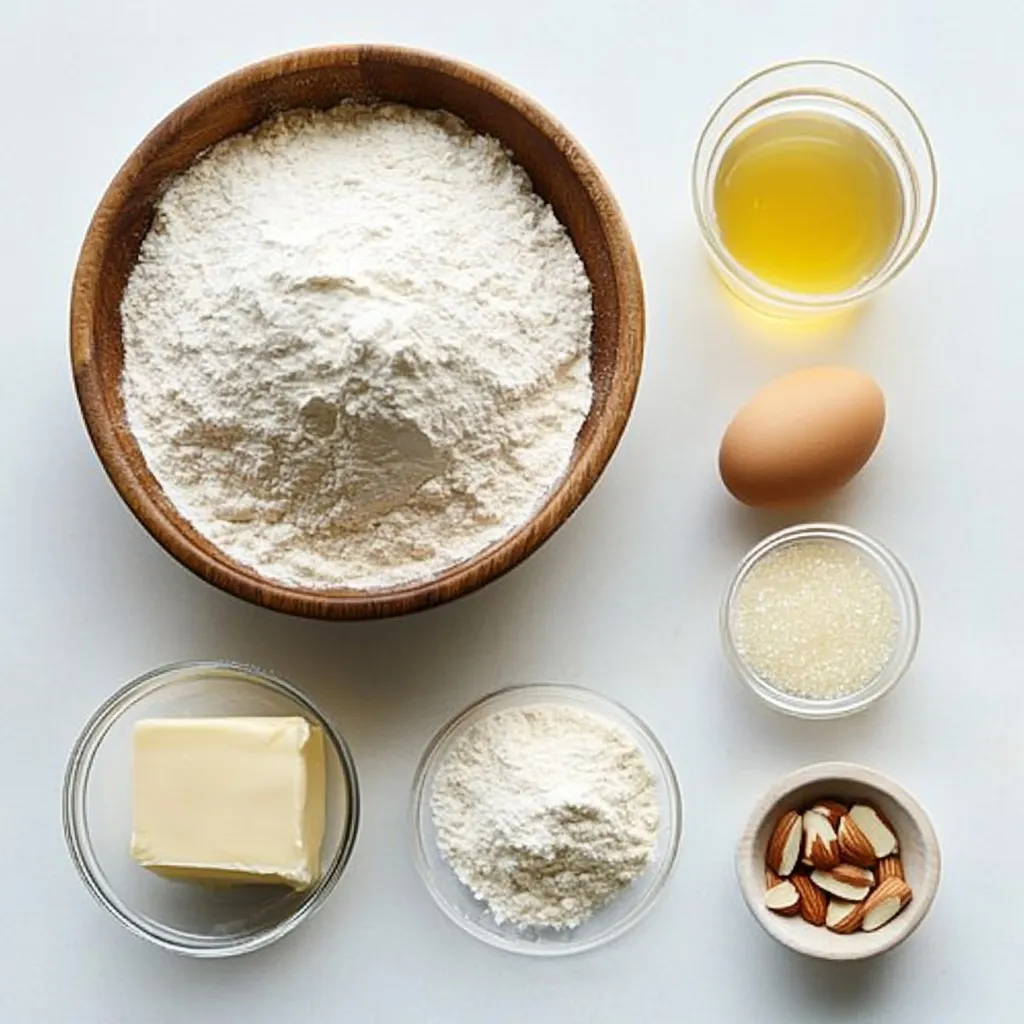
To make a buttery croissant bread loaf, gather these key ingredients:
– 4 cups all-purpose flour
– 1/2 cup unsalted butter, softened (plus extra for greasing the pan)
– 1/4 cup granulated sugar
– 1 teaspoon salt
– 1 packet (2 1/4 teaspoons) active dry yeast
– 1 cup warm milk (110°F/45°C)
– 2 large eggs, at room temperature
– 1 tablespoon honey
– 1 teaspoon pure vanilla extract
– Optional: 1/2 cup almond slices for topping
Optional Toppings and Variations
Feel free to get creative! Here are some tasty ideas:
– Almond slices add crunch and flavor.
– You can sprinkle cinnamon sugar for a sweet twist.
– Try adding chocolate chips for a rich, sweet bite.
Tips for Finding the Best Ingredients
Choosing the right ingredients makes a big difference. Here are my tips:
– Use fresh yeast. Check the date on the packet.
– Choose high-quality butter for a richer taste.
– Look for unbleached all-purpose flour. It gives better flavor.
– Always use room temperature eggs for smooth mixing.
Step-by-Step Instructions
Preparing the Yeast Mixture
First, grab a small bowl. Mix warm milk and a teaspoon of sugar. Sprinkle the yeast on top. Let it sit for 5-10 minutes. You want it to get frothy. This shows the yeast is active. If it doesn’t froth, try again with new yeast.
Making the Dough
Next, take a large bowl. Whisk the flour, remaining sugar, and salt together. Make a well in the center. Pour in your frothy yeast mix. Add the eggs, honey, and vanilla extract. Stir until a soft dough forms. Now, transfer it to a floured surface. Knead for 5-7 minutes until smooth and elastic.
Slowly add the softened butter. Knead until it’s fully mixed in. The dough should feel slightly tacky now. Place it in a greased bowl and cover it with a towel. Let it rise in a warm spot for about 1 hour or until it doubles in size.
Folding Technique for Flaky Layers
Once the dough has risen, gently punch it down. Turn it out onto a floured surface. Roll it into a rectangle about 1/2 inch thick. Now, fold it into thirds, like a business letter. Roll it out into a rectangle again. Repeat this folding and rolling three more times. This creates those flaky layers we love.
Final Shaping and Baking
Preheat your oven to 350°F (175°C). Grease a 9×5 inch loaf pan with butter. Roll the dough out one last time. Shape it to fit snugly in the pan. If you like, sprinkle almond slices on top for extra crunch. Cover it with a towel and let it rise again for 30 minutes.
Now, bake the loaf for 30-35 minutes. You want it golden brown and hollow when tapped. After baking, let it cool in the pan for 10 minutes. Carefully move it to a wire rack to cool completely before slicing. Enjoy that rich and flaky delight!
Tips & Tricks
Perfecting the Dough Texture
To achieve the best dough texture, focus on two key steps: kneading and folding. Knead the dough until smooth and elastic. This usually takes about five to seven minutes. The dough should feel slightly tacky but not sticky. If it sticks too much, add a little flour.
Next, use the folding technique. After rolling out your dough, fold it into thirds like a letter. This step creates those flaky layers we love in croissants. Repeat this process four times. Each fold adds texture and air, making the loaf light and airy.
Common Mistakes to Avoid
Many home bakers make a few common mistakes. First, ensure your yeast is active. If it doesn’t froth after five to ten minutes, it may be dead.
Another mistake is not kneading enough. A well-kneaded dough leads to a better rise. Don’t rush through this step.
Finally, avoid skipping the second rise. This extra time helps the dough develop flavor. If you skip it, your loaf might be dense.
Enhancing Flavor with Add-ins
Add-ins can turn your buttery croissant bread loaf into something special. Consider adding almond slices on top for crunch. You can also mix in chocolate chips or dried fruit for sweetness.
If you prefer savory, try adding cheese or fresh herbs into the dough. These flavors will blend beautifully and make your loaf unique. Get creative and make it your own!
Pro Tips
- Proof Your Yeast: Always check that your yeast is fresh and active before starting the recipe. A frothy mixture indicates it’s good to use.
- Knead Properly: Knead the dough until it reaches a smooth and elastic texture. This helps develop the gluten for a light and airy loaf.
- Layering Technique: Be diligent with the folding and rolling process to create flaky layers. This step is crucial for that buttery croissant texture.
- Cool Completely: Allow the loaf to cool completely on a wire rack before slicing. This helps set the texture and prevents a gummy interior.
Variations
Sweet Variations (Chocolate Chip, Cinnamon)
You can easily switch up the flavors of your croissant bread loaf. Adding chocolate chips gives it a rich, sweet twist. Just mix in about 1 cup of semi-sweet chocolate chips after you form the dough. For a cozy touch, sprinkle in 1 tablespoon of cinnamon along with the sugar. This creates a warm, spiced flavor that pairs perfectly with butter.
Savory Variations (Herbs, Cheese)
Savory options are just as fun! You can fold in fresh herbs like rosemary or thyme. Use about 1/4 cup of chopped herbs for a burst of flavor. Cheese lovers can add shredded cheese like cheddar or mozzarella. About 1 cup will give your loaf a cheesy delight. This makes a great addition to soups or salads.
Gluten-Free or Vegan Alternatives
If you need a gluten-free option, swap the all-purpose flour for a gluten-free blend. Look for one that has xanthan gum in it. For a vegan version, replace the eggs with flax eggs. Combine 1 tablespoon of flaxseed meal with 2.5 tablespoons of water, then let it sit for 5 minutes. Use plant-based milk and vegan butter to keep the loaf delicious and fluffy.
Storage Info
How to Store Leftover Loaf
To keep your buttery croissant bread loaf fresh, wrap it well. Use plastic wrap or aluminum foil. Place it in an airtight container. Store it at room temperature for up to three days. If you want to keep it longer, move it to the fridge. The cold will help it last about a week. Just remember, the loaf may dry out in the fridge, so wrap it tightly.
Freezing Instructions
Freezing your loaf is a great option. First, let the loaf cool completely. Once cool, slice it into pieces if you wish. Wrap each slice in plastic wrap. Then, place the wrapped slices into a freezer bag. Remove as much air as possible before sealing. You can freeze the loaf for up to three months. When you’re ready to enjoy it, just take out a slice or two.
Reheating Tips for Best Texture
To reheat your loaf, I recommend using the oven. Preheat your oven to 350°F (175°C). Place the loaf or slices on a baking sheet. Cover them loosely with foil to keep them from drying out. Heat for about 10-15 minutes. This will help restore the flaky texture. You can also microwave slices for about 10-15 seconds. But keep in mind, the oven method keeps it crispier.
FAQs
Can I use bread flour instead of all-purpose flour?
Yes, you can use bread flour. Bread flour has more protein. This gives the loaf a chewier texture. If you want a fluffier loaf, stick with all-purpose flour. It keeps the croissant-style flakiness.
How do I know when the loaf is baked properly?
The loaf is ready when it is golden brown. Tap the bottom; it should sound hollow. Use a kitchen thermometer too. The inside should reach 190°F (88°C). This ensures a fully baked loaf.
What can I do if my dough doesn’t rise?
If the dough doesn’t rise, check the yeast. It may be old or inactive. Make sure the milk is warm, not hot. Too hot can kill the yeast. If it still doesn’t rise, try adding more yeast.
How long does the buttery croissant bread loaf last?
The loaf lasts for about 2-3 days at room temperature. Keep it in a bread box or bag. For longer storage, freeze it. It can stay fresh for up to 3 months in the freezer. Just wrap it well to avoid freezer burn.
You now have all the tools to create a delicious loaf from scratch. We covered the ingredients you’ll need, the step-by-step instructions, and tips to make your dough perfect. I shared variations to suit any taste, plus how to store and reheat your loaf. Remember, practice helps you improve. Enjoy baking, and don’t be afraid to experiment. Your homemade loaf can be a tasty treat for everyon