
If you’re craving a warm, hearty dish that’s both comforting and gluten-free, look no further! This Classic Minestrone with Gluten-Free Noodles combines fresh veggies, savory spices, and delicious pasta for an unforgettable meal. Whether you’re new to gluten-free cooking or a seasoned pro, I’ll guide you step-by-step to create a bowl of goodness that everyone will love. Let’s dive into this delightful recipe!
Why I Love This Recipe
- Healthy and Wholesome: This minestrone soup is packed with nutritious vegetables, making it a great choice for a wholesome meal.
- Comforting and Delicious: The combination of fresh ingredients and savory broth creates a comforting bowl that warms the soul.
- Easy to Make: This recipe comes together quickly, with minimal prep and cooking time, perfect for busy weeknights.
- Customizable: You can easily adapt this soup by adding your favorite vegetables or proteins, making it versatile for any taste.
Ingredients
List of Ingredients
– Extra virgin olive oil
– Yellow onion
– Fresh garlic
– Carrots
– Celery
– Zucchini
– Green beans
– Diced tomatoes
– Vegetable broth
– Dried oregano
– Dried basil
– Gluten-free pasta
– Kidney beans
– Fresh spinach or kale
– Optional garnish: Grated Parmesan cheese
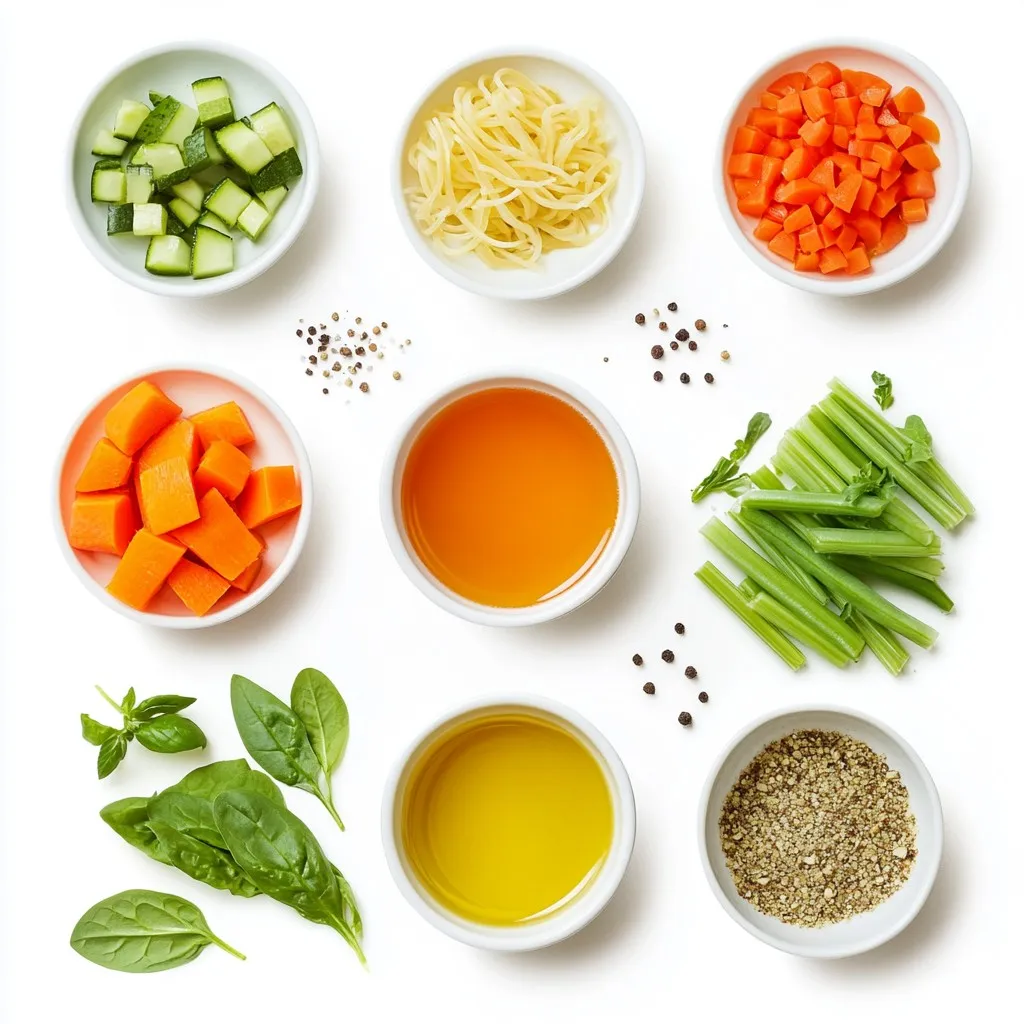
To make the best classic minestrone with gluten-free noodles, you need simple, fresh ingredients. Each one adds to the rich flavor of the soup.
First, gather your base: extra virgin olive oil, yellow onion, and fresh garlic. The onion becomes sweet, and the garlic adds a nice kick as they cook. Next, you’ll want your colorful veggies. Carrots, celery, zucchini, and green beans make your soup bright and healthy.
Don’t forget the canned diced tomatoes! They bring sweetness and acidity to balance the flavors. Vegetable broth is essential for that comforting depth. To season, use dried oregano and dried basil for warmth and aroma.
For the gluten-free element, pick noodles like penne or fusilli. They hold the soup’s flavors well. Add kidney beans for protein and fiber. Finally, fresh spinach or kale gives a nice, vibrant touch. If you like, sprinkle some grated Parmesan cheese on top for a rich finish.
With these ingredients, you’ll create a hearty and delicious minestrone soup that everyone will love.
Step-by-Step Instructions
Preparing the Base
– Heat 1 tablespoon of extra virgin olive oil in a large soup pot.
– Add 1 small yellow onion, finely diced, and sauté for 3-4 minutes. The onion should look translucent.
– Next, add 2 cloves of minced garlic, 2 medium diced carrots, and 2 diced celery stalks. Sauté for 5 minutes. Stir often until the veggies soften.
Cooking the Vegetables
– Time to incorporate 1 medium zucchini, diced into half-moons, and 1 cup of trimmed and cut green beans.
– Cook these for 3 minutes. They should be tender but still crisp.
– Now, pour in 1 can of diced tomatoes with juice and 4 cups of low-sodium vegetable broth.
– Add 1 teaspoon of dried oregano, 1 teaspoon of dried basil, and season with salt and pepper. Bring this to a gentle simmer.
Adding the Noodles and Beans
– Once your soup simmers, stir in 1 cup of gluten-free pasta. Cook it according to the package directions, which usually takes 6-8 minutes.
– In the last few minutes, fold in 1 cup of canned kidney beans and 1 cup of roughly chopped fresh spinach or kale. They will wilt and heat through quickly.
– Taste the soup and adjust the seasoning. Add more salt or pepper if needed.
– Serve hot in bowls, garnished with grated Parmesan cheese if you like. Enjoy!
Tips & Tricks
Achieving the Best Flavor
To make your minestrone shine, taste is key. Adjust the seasoning to your liking. Add salt and pepper little by little. If you want a fresh kick, use herbs like basil and oregano. Fresh herbs brighten the soup and give it a lovely aroma.
Cooking the Noodles Perfectly
Cooking gluten-free noodles takes care. Always follow the package instructions. They usually cook in about 6-8 minutes. Avoid overcooking them. They can turn mushy quickly. Keep an eye on them while they boil.
Serving Suggestions
For a finishing touch, think about garnishing. A sprinkle of grated Parmesan cheese adds a creamy finish. You can also add fresh herbs on top. Pair your soup with crusty bread or a fresh salad. This gives a nice crunch and balances the soup’s warmth.
Pro Tips
- Fresh Ingredients: Using fresh, seasonal vegetables will enhance the flavor and nutritional value of your minestrone soup.
- Cooking Pasta: To prevent the gluten-free pasta from becoming mushy, cook it separately and add it to the soup just before serving.
- Herb Variations: Feel free to experiment with different herbs like thyme or rosemary for a unique flavor twist.
- Storage Tips: Store any leftovers in an airtight container in the fridge for up to 3 days. Reheat gently on the stove to maintain texture.
Variations
Vegetable Substitutions
You can change the veggies in your minestrone. Use what you have at home. Adding seasonal vegetables boosts flavor. Try sweet bell peppers or squash in summer. In fall, add root veggies like parsnips. For a vegan twist, skip the cheese and use vegetable broth. You can also add more greens like arugula or Swiss chard for extra nutrients.
Different Gluten-Free Pasta Types
Gluten-free pasta comes in many shapes. Penne and fusilli are great choices. Penne holds sauce well, while fusilli adds fun twists. You can also use rice noodles or chickpea pasta. Each type gives a unique texture to your soup. Choose one that you enjoy best.
Additional Protein Options
Want to add protein? You can add cooked chicken, turkey, or beef. If you prefer plant-based, tofu is a great choice. Just be sure to cut it into small pieces. Adjust your cook time based on what you add. Meat may need more time, while tofu heats quickly. This way, your minestrone stays hearty and filling.
Storage Info
Refrigeration Guidelines
To store leftovers, place minestrone in an airtight container. Make sure to cool it first. This helps keep the soup fresh. It lasts about 3 to 4 days in the fridge. Check for any off smells or changes in color before eating.
Freezing Recommendations
You can freeze minestrone for later meals. First, let it cool completely. Then, pour it into freezer-safe bags or containers. Remove as much air as possible. It will stay good for up to 3 months. When you’re ready to eat, thaw it in the fridge overnight.
For reheating, heat it on the stove over low heat, stirring often. You can also use the microwave, but be sure to stir it halfway through. Make sure it’s hot all the way through before serving.
Enjoying Later
To keep the flavor and texture, avoid freezing the gluten-free noodles with the soup. Cook the noodles fresh when you’re ready to eat. This way, they won’t get mushy. Stir in fresh herbs or a splash of olive oil to enhance the taste. Enjoy your minestrone like it’s freshly made!
FAQs
Can I use regular noodles instead of gluten-free?
Yes, you can use regular noodles. Just be aware of the cooking time. Regular pasta cooks faster than gluten-free noodles. You may need to adjust the soup’s cooking time. Add the noodles when the soup is almost done to avoid mushiness.
How long does minestrone soup last in the fridge?
Minestrone soup can last up to five days in the fridge. Store it in an airtight container. Make sure it cools down first. If you want to keep it longer, consider freezing it.
What can I substitute for kidney beans?
You can use black beans or chickpeas as a substitute. Both add great texture and flavor. If you prefer no beans, try adding more veggies instead. This keeps your soup hearty and tasty.
This blog post explored how to make a delicious gluten-free minestrone soup. You learned about key ingredients, step-by-step cooking instructions, and helpful tips for the best flavor. I covered variations and storage tips to keep your soup fresh. Remember, you can swap out veggies and pasta types based on your taste. Enjoy creating a comforting bowl of soup that fits your need