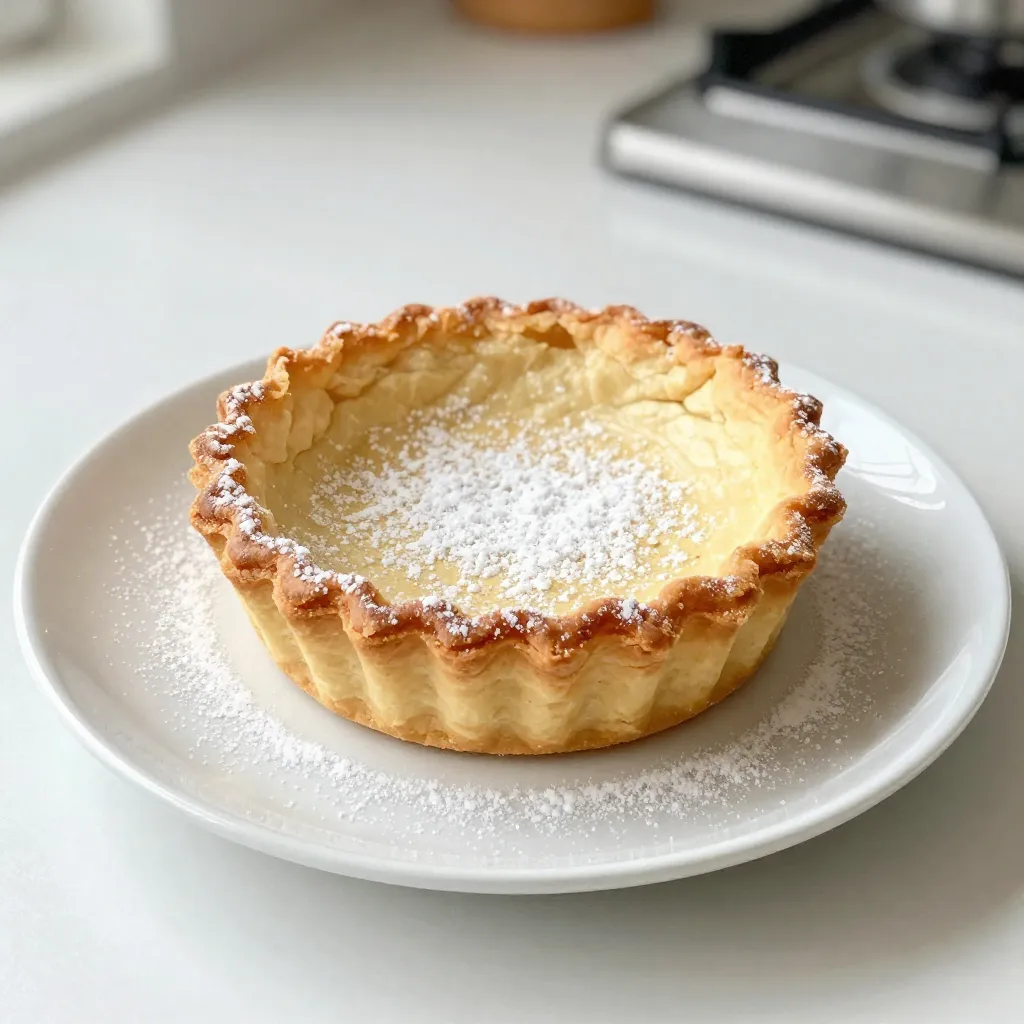
Ready to elevate your baking? Classic pâte sucrée is your key to a rich, sweet pastry that will impress everyone. This simple and flavorful recipe uses high-quality ingredients to achieve perfect texture and taste. In this guide, I’ll walk you through the essentials of making pâte sucrée, share tips to avoid common mistakes, and reveal delicious variations for your favorite desserts. Let’s get baking!
Why I Love This Recipe
- Perfectly Sweet: This pâte sucrée balances sweetness perfectly, making it an ideal base for both sweet and savory tarts.
- Easy to Make: With simple ingredients and straightforward steps, this recipe is accessible even for novice bakers.
- Versatile: This pastry can be filled with a variety of delicious fillings, from fresh fruits to rich custards, allowing for endless creativity.
- Great Texture: The result is a tender, flaky crust that melts in your mouth, elevating any dessert to the next level.
Ingredients
Essential Ingredients for Classic Pâte Sucrée
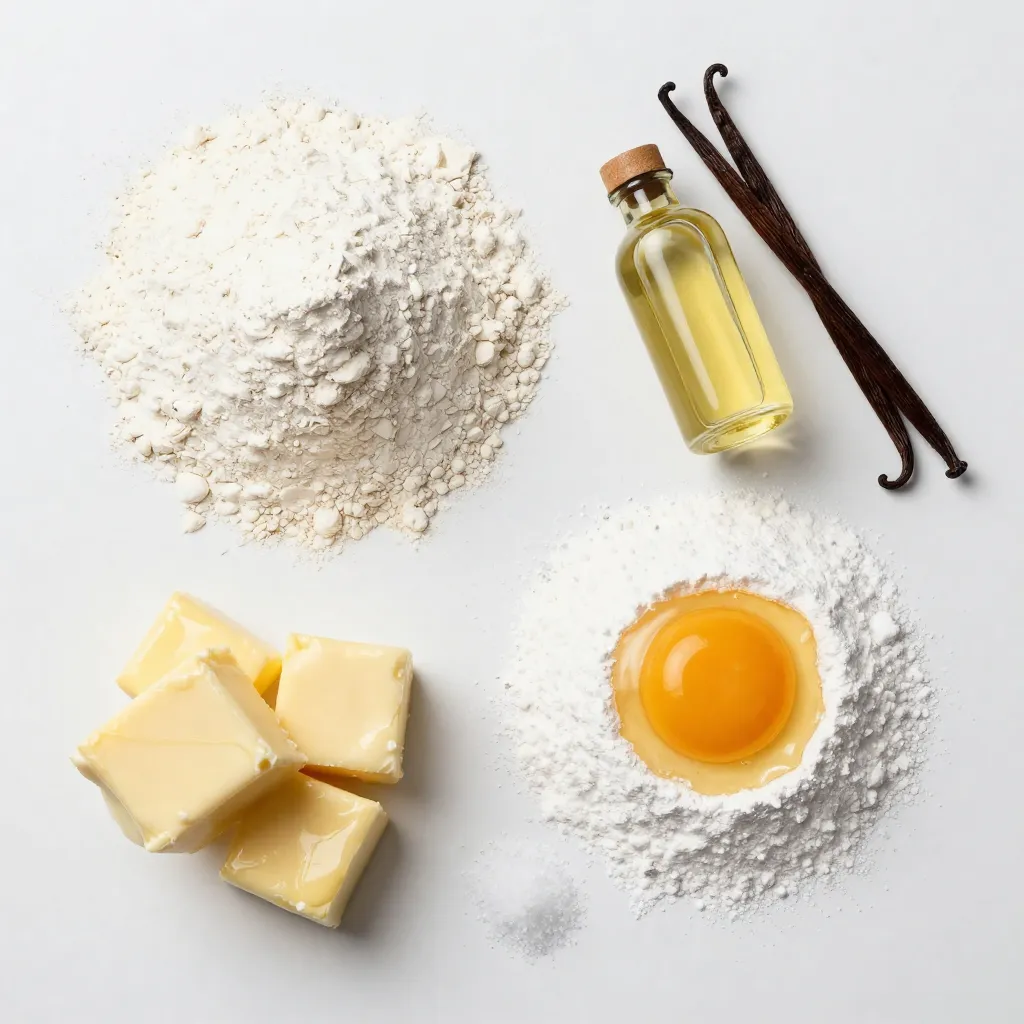
To make a great pâte sucrée, you need a few simple ingredients. Here they are:
– 250g all-purpose flour
– 125g unsalted butter, cold and cubed
– 100g powdered sugar
– 1 large egg yolk
– 1 teaspoon vanilla extract
– A pinch of salt
These items create a sweet, crumbly crust perfect for tarts and pies.
Importance of Quality Ingredients
Using high-quality ingredients is key. Fresh butter makes your dough rich and flavorful. Good flour gives the right texture. Powdered sugar adds sweetness without grittiness. Always choose the best egg you can find. When you use quality items, your pâte sucrée will taste so much better.
Measurement Conversions (Metric to Imperial)
If you prefer using imperial measurements, here are the conversions:
– 250g all-purpose flour = about 2 cups
– 125g unsalted butter = about 1/2 cup plus 1 tablespoon
– 100g powdered sugar = about 3/4 cup
– 1 large egg yolk = stays the same
– 1 teaspoon vanilla extract = stays the same
– A pinch of salt = stays the same
These conversions help you create the same delicious results no matter your measuring style.
Step-by-Step Instructions
Detailed Preparation Steps
To make classic pâte sucrée, follow these simple steps. First, grab a big mixing bowl. Add 250 grams of all-purpose flour, 100 grams of powdered sugar, and a pinch of salt. Whisk them well to mix evenly. Next, add 125 grams of cold, cubed butter into the bowl. Use your fingertips or a pastry cutter to blend this butter with the flour mixture. Keep mixing until it looks like coarse crumbs, with no chunks of butter left.
Now, make a well in the center of your crumbly mix. Add one egg yolk and one teaspoon of vanilla extract into this well. Use a fork to stir the wet ingredients into the dry mix. Keep going until the dough starts to form.
Next, place the mixture on a lightly floured surface. Knead the dough gently for a few moments. You want it to come together but not be tough. Shape the dough into a flat disk. Wrap it tightly in plastic wrap and chill it in the fridge for at least 30 minutes. This step is key for a nice texture.
After chilling, take the dough out and roll it on a floured surface. Aim for a thickness of about 1/8 inch. Carefully lift the rolled dough and place it into a tart pan. Press it into the edges and trim any overhang with a sharp knife.
Preheat your oven to 180°C (350°F). To prevent bubbling, prick the bottom of the pastry all over with a fork. Bake for 20-25 minutes, or until the crust is lightly golden. Once baked, let it cool completely before adding your favorite filling.
Common Mistakes to Avoid
Avoid these common mistakes for the best results. First, don’t skip the chilling step. It helps the dough firm up. Second, don’t over-knead the dough. This can make your crust tough. Lastly, ensure your butter is cold. This keeps the dough flaky and light.
Tips for Perfecting Your Dough Texture
To get the perfect dough texture, remember these tips. Use cold ingredients for a better crust. If your dough feels too dry, add a tiny bit of cold water. When rolling out the dough, keep it floured to prevent sticking. Finally, don’t rush the chilling time. Letting it rest helps develop flavor and texture.
Tips & Tricks
Secrets to a Flaky Pastry Crust
To make a flaky pastry crust, keep your butter cold. The cold butter creates steam when baking. This steam helps the dough puff up and stay crispy. Make sure to handle the dough gently. Overworking the dough can make it tough instead of flaky.
How to Prevent Pastry Shrinkage
Pastry shrinkage happens when the dough is too warm or stretched. To avoid this, always chill the dough before rolling it out. After you shape it in the pan, chill it again for about 15 minutes. This helps the dough hold its shape while baking.
Equipment Recommendations for Best Results
Using the right tools makes a big difference. A good mixing bowl helps you combine ingredients easily. A pastry cutter is great for mixing in butter. A rolling pin helps you roll the dough evenly. Finally, a tart pan with a removable bottom makes it easy to serve your tart.
Pro Tips
- Chill the Dough: Always chill your dough before rolling it out. This helps the butter firm up, making it easier to handle and preventing shrinkage during baking.
- Use Cold Ingredients: Ensure that your butter and egg yolk are cold. This will keep the dough tender and flaky, preventing it from becoming tough.
- Don’t Overwork the Dough: Knead the dough just until it comes together. Over-kneading can develop gluten, resulting in a tough pastry.
- Blind Baking: If your filling is wet, consider blind baking the crust. This involves pre-baking the crust with pie weights to prevent it from becoming soggy.
Variations
Flavor Enhancements
You can easily boost the taste of your pâte sucrée. Adding citrus zest is a simple trick. Lemon or orange zest gives a fresh, bright flavor. You can also mix in spices like cinnamon or nutmeg for warmth. A hint of almond extract adds a lovely nutty touch too. These enhancements can make your crust pop with flavor.
Gluten-Free Options for Pâte Sucrée
If you need a gluten-free version, don’t worry! Use a gluten-free flour blend instead of all-purpose flour. Make sure it has a good mix of starches and protein. You might also need to add an extra egg yolk for moisture. This way, you still get that flaky texture everyone loves.
Using Pâte Sucrée in Different Desserts
Pâte sucrée is super versatile. Use it for tarts, pies, or even quiches. It makes a great base for fruit tarts topped with fresh berries. You can fill it with rich chocolate ganache for a decadent treat. A creamy custard filling also works well. The options are endless, and each dessert shines with this sweet crust.
Storage Info
How to Store Pâte Sucrée Dough
To keep your Pâte Sucrée dough fresh, wrap it well. Use plastic wrap to cover the dough tightly. This keeps it from drying out. Place it in the fridge if you plan to use it soon. It stays good for up to three days in the fridge. If you want to keep it longer, freezing is a great option.
Freezing Instructions for Unbaked and Baked Crusts
For unbaked crusts, wrap them in plastic wrap and then in foil. This helps avoid freezer burn. You can freeze them for up to three months. When you’re ready to use it, thaw in the fridge overnight. For baked crusts, let them cool completely before wrapping. They can also freeze for three months. Thaw them at room temperature before filling.
Best Practices for Keeping Your Tart Fresh
To keep your tart fresh, cover it loosely with foil or parchment. This protects it while allowing some air to flow. Store it in the fridge if it has filling. Tarts with fresh fruit should be eaten within two days for the best taste. If you have leftover tart, eat it within three days. The flavor and texture are best when fresh.
FAQs
What is the difference between Pâte Sucrée and Pâte Brisée?
Pâte Sucrée is sweet and rich. It uses powdered sugar and egg yolk. This makes it great for desserts. Pâte Brisée, on the other hand, is savory. It has no sugar and often uses just flour, butter, and water. This dough is perfect for quiches or savory pies. The main difference lies in the sugar and fat content.
Can I substitute ingredients in Classic Pâte Sucrée?
Yes, you can make some swaps! If you want a dairy-free version, use plant-based butter. For a different flavor, try brown sugar instead of powdered sugar. You can also use almond flour for a nutty taste. Just remember, each change may affect the texture and flavor.
How long does Classic Pâte Sucrée last once baked?
Once baked, Classic Pâte Sucrée lasts about 2 to 3 days at room temperature. To keep it fresh, store it in an airtight container. If you want it to last longer, freeze it. Baked tart shells can stay good in the freezer for up to a month. Always let it cool completely before storing.
In this post, we discussed the essential ingredients for pâte sucrée, from quality choices to measurements. You learned the step-by-step process to make perfect pastry, while avoiding common mistakes. I shared tips to achieve a flaky dough and offered variations for flavor and dietary needs. Finally, we covered storage methods to keep your pastry fresh.
With these insights, you can now create delightful tarts and pies with ease. Enjoy baking and impressing others with your skill