

Welcome to the world of German butter cookies! This easy recipe guide will help you bake delicious, melt-in-your-mouth treats. I’ll share simple steps, tips, and flavor twists to make your cookies stand out. You’ll impress your family and friends with your baking skills. So, roll up your sleeves and let’s create some irresistible cookies together! Your taste buds will thank you!
Why I Love This Recipe
- Classic Flavor: These German butter cookies embody a rich, buttery taste that is both nostalgic and comforting, perfect for any occasion.
- Easy to Make: This recipe requires simple ingredients and straightforward steps, making it accessible even for novice bakers.
- Customizable: You can easily adapt the cookies with different decorations, such as sprinkles or chocolate chips, to suit your personal taste.
- Perfect for Sharing: These cookies are ideal for gatherings, parties, or as gifts, bringing joy to friends and family alike.
Ingredients
Main Ingredients
– 2 cups all-purpose flour
– 1 cup unsalted butter, softened
– 1 cup powdered sugar
– 1 large egg yolk
Flavor Enhancements
– 1 teaspoon pure vanilla extract
– 1/2 teaspoon almond extract
– 1/4 teaspoon salt
Optional Add-Ins
– Colored sprinkles
– Chocolate chips
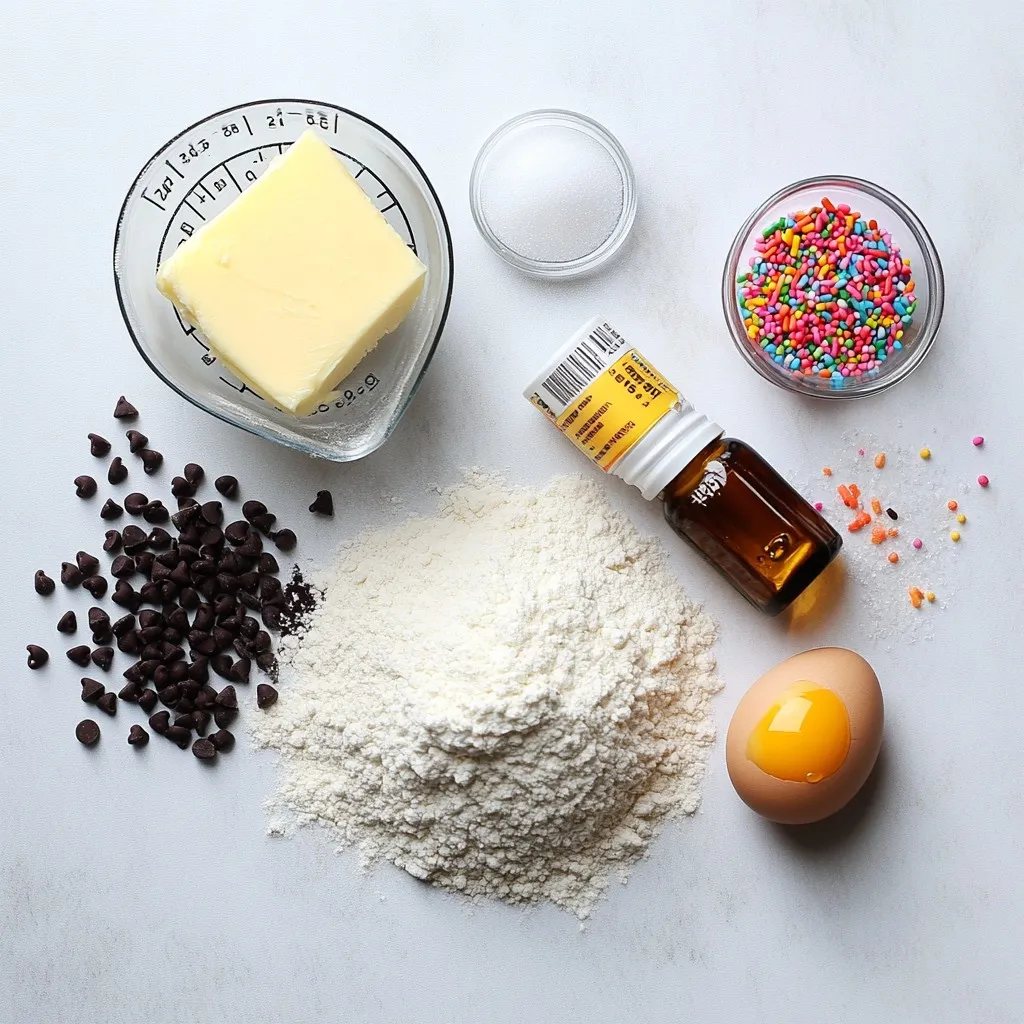
To make the best German butter cookies, you need a few key ingredients. The main ones are flour, butter, sugar, and egg yolk. These form the base of your cookies.
The flour gives the cookies structure. I always use all-purpose flour for a light texture.
Softened butter makes the cookies rich and creamy. It helps them blend well with sugar.
Powdered sugar adds sweetness and a melt-in-your-mouth feel. Plus, it helps make the dough smooth.
The egg yolk acts as a binder to hold everything together. This helps the cookies keep their shape.
For flavor, I love adding vanilla and almond extracts. They enhance the cookie’s taste and smell.
A pinch of salt balances the sweetness. It makes the flavors pop.
You can also get creative with optional add-ins. Colored sprinkles or chocolate chips can make your cookies more fun and appealing.
These basics will help you create cookies that are both delicious and beautiful.
Step-by-Step Instructions
Mixing and Preparing Dough
– Creaming butter and sugar: Start by taking your softened butter and powdered sugar. In a large bowl, use an electric mixer. Beat them together for about 3-4 minutes. You want the mix to be light and fluffy. This step is key for a soft cookie.
– Incorporating wet ingredients: Next, add in the egg yolk, vanilla extract, almond extract, and salt. Mix on medium speed until everything is well combined. This blend adds rich flavor to your cookies.
Shaping and Chilling
– Dividing and shaping the dough: Take the dough and divide it into two equal parts. Roll each part into a log that is about 1.5 inches wide. Make sure the logs are smooth and even.
– Chilling time and techniques: Wrap each log tightly in plastic wrap. Place them in the fridge for at least 2 hours. This chilling helps the dough firm up and makes it easier to slice later.
Baking Process
– Preheating the oven and preparing baking sheets: While the dough chills, preheat your oven to 350°F (175°C). Line two baking sheets with parchment paper. This prevents sticking and helps with easy cleanup.
– Slicing the dough and placement: Once the dough is firm, remove it from the fridge. Carefully unwrap the logs and slice each one into 1/4-inch thick rounds. Lay them on the baking sheets, leaving space between each cookie to allow for spreading.
Final Baking Touches
– Decorating before baking: If you want, add a few chocolate chips or colorful sprinkles on top of each cookie slice. This adds a fun touch and makes them look festive.
– Cooling and transferring cookies: Bake the cookies in the preheated oven for about 12-15 minutes. They should be lightly golden at the edges. After baking, let them cool on the sheets for about 5 minutes. Then, move them to a wire rack to cool completely.
Tips & Tricks
Achieving Perfect Texture
To get the right texture, avoid common mistakes. One mistake is overmixing the dough. It can make the cookies tough. Mix just until everything combines well. Another mistake is not chilling the dough. Chilling helps the dough firm up. It also stops the cookies from spreading too much.
Enhancing Flavor
You can have fun with flavors! Try adding lemon zest for a fresh twist. You can also mix in cocoa powder for a chocolatey version. Use different extracts to change things up. Almond extract adds a warm nutty flavor. Vanilla gives a classic taste that everyone loves.
Baking and Cooling Advice
Set your oven to 350°F (175°C). This is the best temperature for even baking. Place the cookies on parchment paper. This helps them not stick. After baking, let them cool for five minutes on the sheet. Then, move them to a wire rack. This keeps them crisp and helps them cool completely.
Pro Tips
- Chill the Dough Properly: Make sure to chill the dough for at least 2 hours. This helps the cookies hold their shape during baking and enhances the texture.
- Use a Sharp Knife: When slicing the chilled dough, use a sharp knife to get clean, even cuts. This will help the cookies bake evenly.
- Experiment with Flavors: Feel free to add different extracts or spices to customize the flavor of your cookies. Lemon zest or cinnamon can add a delightful twist!
- Store Correctly: Store the cooled cookies in an airtight container at room temperature. They can stay fresh for up to a week, or freeze them for longer storage.
Variations
Flavor Variations
You can mix things up with these flavors:
– Chocolate German butter cookies: Add 1/2 cup of cocoa powder to the flour. This gives a rich, chocolatey taste to your cookies. You can also fold in chocolate chips for a double chocolate treat.
– Nutty versions with ground almonds: Substitute 1/2 cup of flour with ground almonds. This adds a nice crunch and a lovely nutty flavor. It’s an easy way to make your cookies unique.
Dietary Adjustments
If you have special dietary needs, here are some options:
– Gluten-free alternatives: Use a gluten-free flour blend instead of all-purpose flour. This will keep the cookies soft and tasty. Look for blends that include xanthan gum for the best results.
– Vegan substitutions: Replace the egg yolk with a flax egg. To make a flax egg, mix 1 tablespoon of ground flaxseed with 2.5 tablespoons of water. Let it sit for about 10 minutes until it thickens. Swap the butter with a plant-based butter for a vegan treat.
Decor Ideas
Get creative with how you present your cookies:
– Creative decoration techniques: Use royal icing to pipe fun designs on top. You can also dip half the cookie in chocolate for a tasty twist.
– Seasonal themes for cookies: Change the sprinkles to match the holidays. Use red and green for Christmas or pastel colors for Easter. This makes your cookies festive and fun for any occasion.
Storage Info
Storage Tips for Freshness
To keep your German butter cookies nice and fresh, store them at room temperature. Use an airtight container to keep air out. If you live in a hot and humid area, you may want to put them in the fridge. This helps prevent the cookies from getting too soft. Remember, if they are exposed to air, they will lose their crispness.
Freezing Cookies
Freezing is a great way to save your cookies for later. First, let the cookies cool completely. Then, place them in a single layer on a baking tray. Freeze them for about an hour, so they harden. Next, transfer the cookies into a freezer bag or airtight container. When you want to enjoy them, just take out what you need. To thaw, let them sit at room temperature for about 30 minutes. They will taste fresh again!
Shelf Life
If stored properly, your cookies can stay fresh for about one week. After that, their texture might change. Signs of spoilage include a dry or hard texture and a strange smell. If you see any mold, throw them away immediately. Always check your cookies before you bite into them!
FAQs
How do I prevent my German butter cookies from spreading?
To keep your cookies from spreading, focus on dough consistency. Here are some tips:
– Chill the dough: Always refrigerate the dough for at least 2 hours. This firms it up.
– Don’t overmix: Mix your dough gently. Overmixing adds air, causing cookies to spread.
– Use cold butter: If you want a thicker cookie, use butter that’s a bit cooler.
These steps help keep your cookies thick and cute.
Can I use margarine instead of butter?
Yes, you can use margarine, but it changes the cookie’s taste and texture. Butter gives cookies a rich flavor and a tender crumb. Margarine can make them less flavorful and a bit more chewy. If you choose margarine, pick a high-quality brand for best results.
What can I substitute if I don’t have almond extract?
If you lack almond extract, try these alternatives:
– Vanilla extract: This is a great option and very common.
– Hazelnut extract: Offers a nutty flavor similar to almond.
– Coconut extract: Adds a tropical twist.
These options can make your cookies just as tasty!
Are German butter cookies the same as butter cookies?
German butter cookies and regular butter cookies are similar but not the same.
– Texture: German butter cookies are often richer and crumblier due to higher butter content.
– Flavor: They usually feature vanilla and almond extracts, adding depth.
Both are delicious, but German butter cookies have a unique touch that sets them apart.
You now have all you need to bake perfect German butter cookies. We covered key ingredients, step-by-step instructions, and tips to enhance flavor and texture. Don’t forget the importance of chilling the dough, as it helps achieve the right consistency. Try different variations like chocolate or nutty versions for more fun. These cookies are easy to store and freeze, keeping them fresh for longer. Enjoy your baking adventure, and share your delicious result